About us
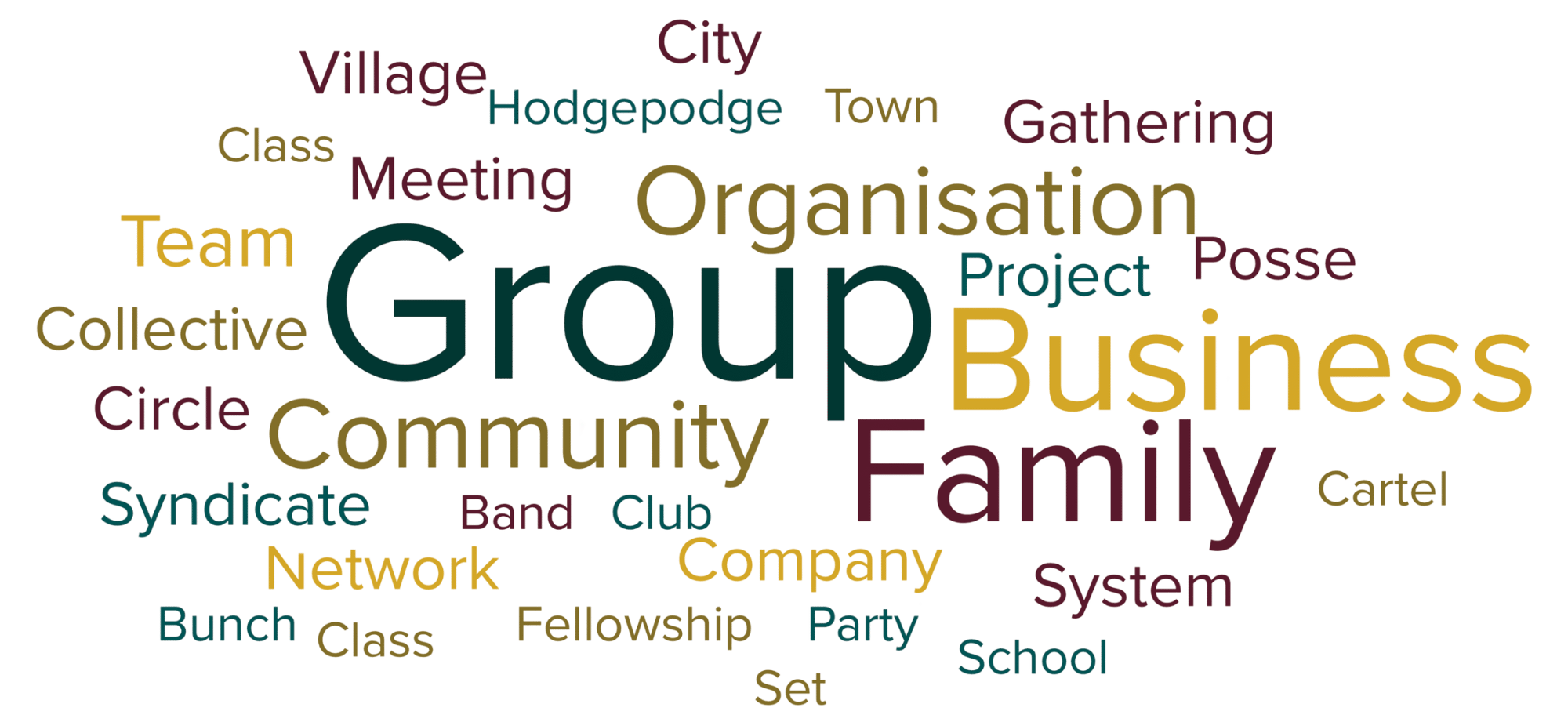
We have so many words for being together.
That’s not a coincidence.
Humans are inherently collective. We live and work in groups, always have, always will. And for us to truly thrive, we need to feel connected, a sense of belonging with others. That belonging grows through relationships. And relationships develop when we genuinely meet, not just occupy the same room, but actually meet.
We see the world through this lens.
Pretty much every collective situation — every team, every organisation, every community, every movement — is fundamentally about relationships.
Attend to the relationships, and things get better.
Neglect them, and even the best strategy falls apart.
Meetings are where relationships happen, or don’t. They are the most ordinary, most overlooked, most consequential spaces in our collective lives.
That’s why we’re here.
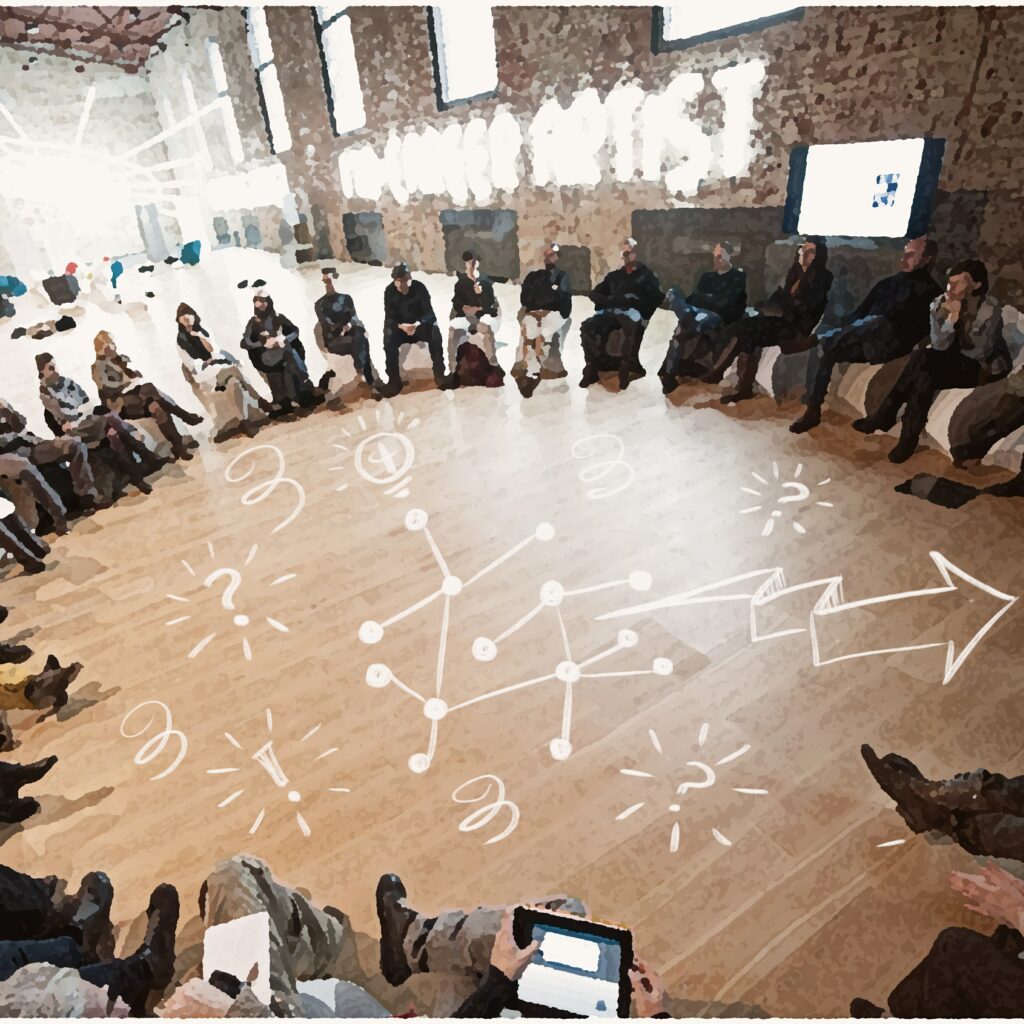
Meeting remains the most effective way for people to collaborate because human beings can cocreate in powerful ways. The conditions that make this possible are: clear purpose, human connection and creative relational ways of working.
Our Story
Bear with us while we have a little rant….
Meeting Magic was founded in 1999 on an audacious ambition: to rid the world of dreadful meetings.
We had seen, time and again, what became possible when people met well — with purpose, with skill, with genuine attention to each other. So we developed methods of meeting that wove relational work into the fabric of getting things done, enabling groups to achieve more together than they ever could apart.
We have been doing this work for over 25 years, and it still feels magical.
But.
After about ten years, something became impossible to ignore.
- Most everyday meetings were still awful — lacking clear purpose, largely transactional, focused on updating rather than genuine group work, led by subject matter experts, poorly prepared
- Experiencing a well-facilitated meeting didn’t change the way people ran their own meetings
- Even training people in meeting skills and techniques had limited impact
We had a hunch this wasn’t just about meetings. That the patterns we were seeing were fractal — that what played out in a room was a reflection of something more systemic.
So we started working at greater scale. Moving from group and team development into organisational development. And what we saw confirmed the hunch.
Meetings, it turns out, are a remarkable diagnostic tool. In a large human system — a business, an institution, a community — behavioural patterns are almost impossible to see directly. But put people in a room together and, to the trained eye, those patterns become visible. You can literally watch a culture enact itself in real time.
And once people can see the patterns, something shifts. Choice becomes possible. Meetings become the everyday laboratories where people can experiment with new ways of being together — learning, adapting, building the capacity for sustainable change.
We say ‘can’ deliberately. Because we have also learnt how hard this work is.
There are systemic forces at play in most collectives that push back hard against this kind of change. Systems that reward individualistic behaviour. Financial structures that place money above human wellbeing. Hierarchical patterns of power that have been in place for generations. These forces show up in organisations, and they show up in meetings — and they mean that creating genuinely healthy human systems requires real skill, real intention, and real courage.
But here is what 25 years has taught us above all else:
it is possible.
Not through a programme. Not through a framework. Not through a silver bullet — because there isn’t one. Change of this kind can only go at the pace of the collective. It requires
- the appetite for relational work,
- the willingness to look honestly at ourselves and our behaviours,
- the patience to go slow in order to go fast.
After 25 years, we are more convinced than ever that the meeting room — in all its ordinary, unglamorous reality — is one of the most powerful sites of change available to us.
If you have the appetite for this work, let’s talk
change how you meet change the world
A systemic look at meetings
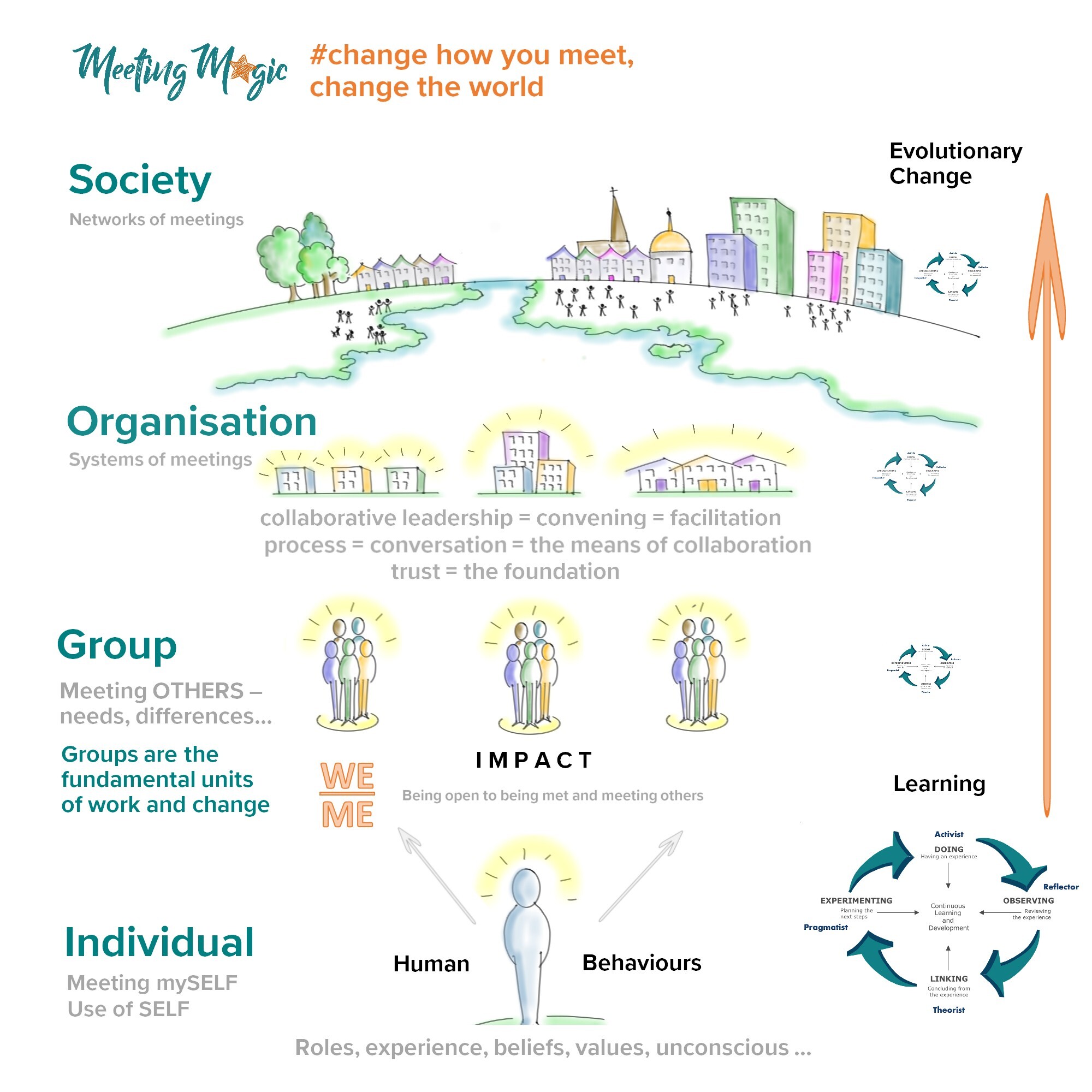
At the individual level, meetings are about meeting yourself — your use of self, your behaviours, the beliefs and values and unconscious patterns you bring into the room.
At the group level, they are about meeting others — navigating needs, differences, and the collective intelligence that only emerges between people.
At the organisational level, meetings are the systems through which collaborative leadership, facilitation and trust either develop or erode.
And at the level of society, networks of meetings become the means through which communities and movements create evolutionary change.
The arrow runs upward. But it starts with a single person, willing to meet and be met.
change how you meet change the world
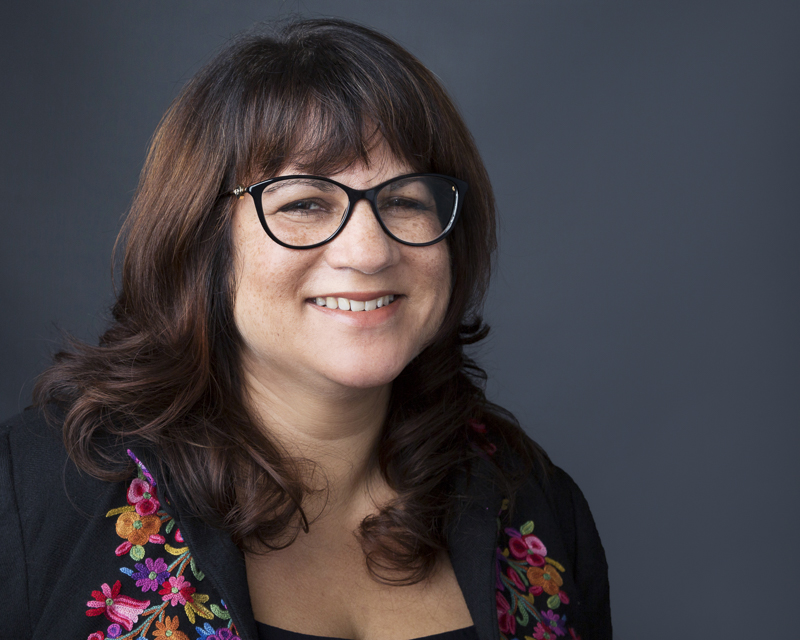
Meet our Founder
Katherine Handy-Woods
I have had the privilege to see the best in humanity through my work. I have spent over 30 years convening groups, working through differences, to enable collectives to achieve what no one person could do.
Despite all that is going on in the world right now, this experience keeps me hopeful
Hopeful that humanity has the potential to create positive shifts, when people are brought together in conditions that bring out their best human qualities – kindness, generosity and creativity.
As our current global systems force us towards fragmentation, we need now, more than ever, to be skilled at bringing people together to have conversations across our differences.
This is the work I am passionate about and, I am keen to pass on what I have learnt to others who share my passion. I work alongside leaders who are navigating complex change, accompanying them as they develop new ways of working together for the benefit of society, humanity, our planet.
Relationships are all there is. Everything in the universe only exists because it is in relationship to everything else. Nothing exists in isolation. We have to stop pretending we are individuals that can go it alone.
Margaret J. Wheatley
Our Network
25 years of working in this field means we have an extensive network of amazing consultants who specialise in different aspects of organisational and behavioural work.
For each client project we put together the relevant (and, we like to think, perfect) team for the work.
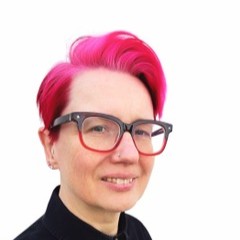
Al Pacifico-France
Al is an occupational psychologist and Gestalt practitioner who works with leadership teams to strengthen inclusion, collaboration and decision-making. They bring a particular interest in group dynamics and how people work together in online and hybrid environments.
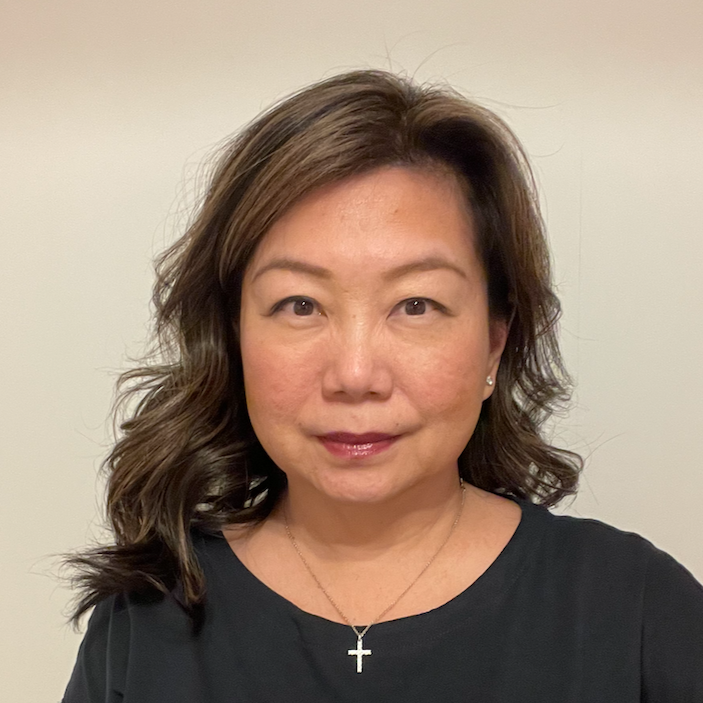
Sharon Tan
PCC, ACTC, EIA, ITCA, MCIPD.
Leadership & Team Coach, Coach Mentor and Supervisor, Global Partner of AoEC in Asia providing accredited coach training programmes in Systemic Team Coaching and Gestalt Coaching,
Director of Besonder Consulting offering coaching & consultancy in leadership and organisation development rooted in Gestalt & Enneagram.
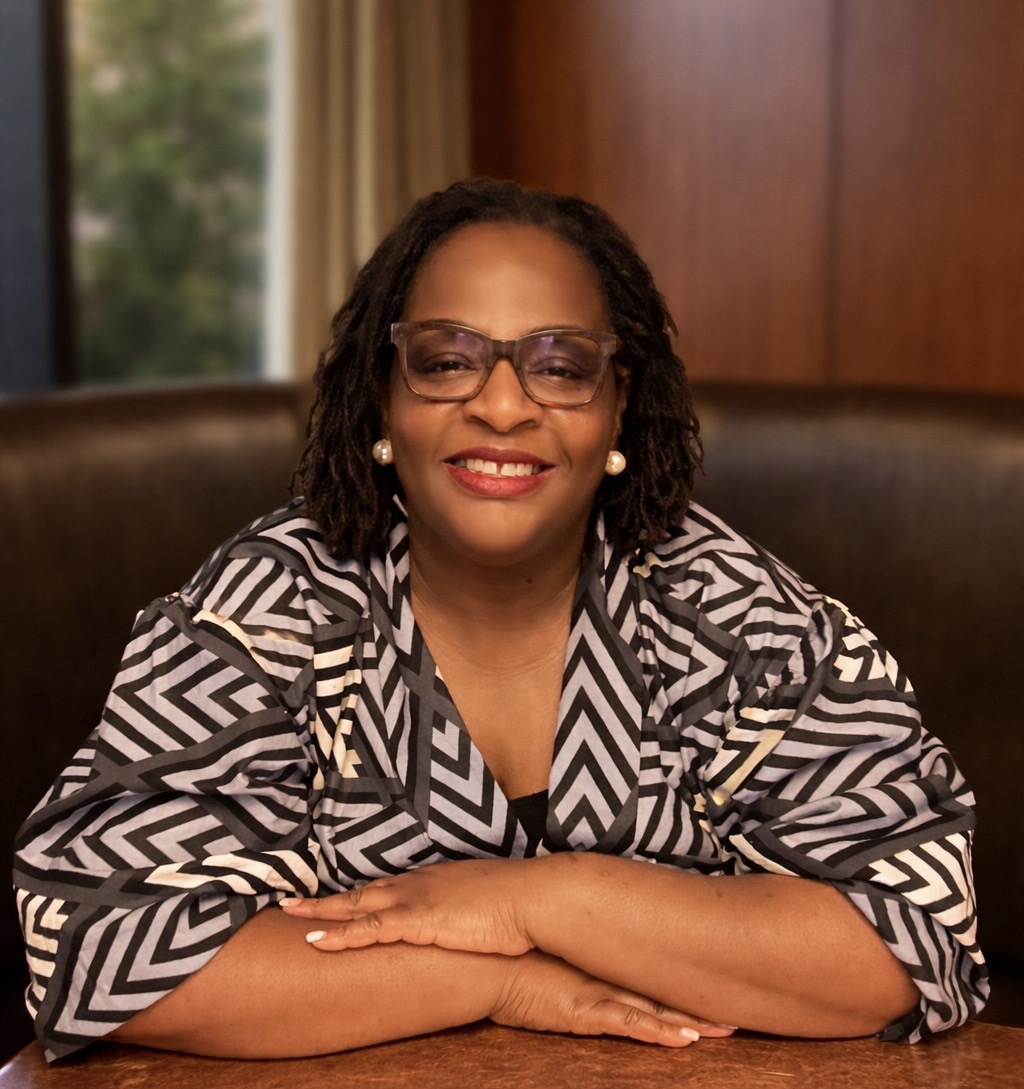
Ola Lagunju
Ola is an organisational development consultant, executive coach, and social scientist, with a deep curiosity about what it means to be human inside organisations and systems.
Her work sits in the moments when the ground shifts. Transitions. Change. The in-between spaces where the old way of leading no longer holds and something new has not yet arrived.
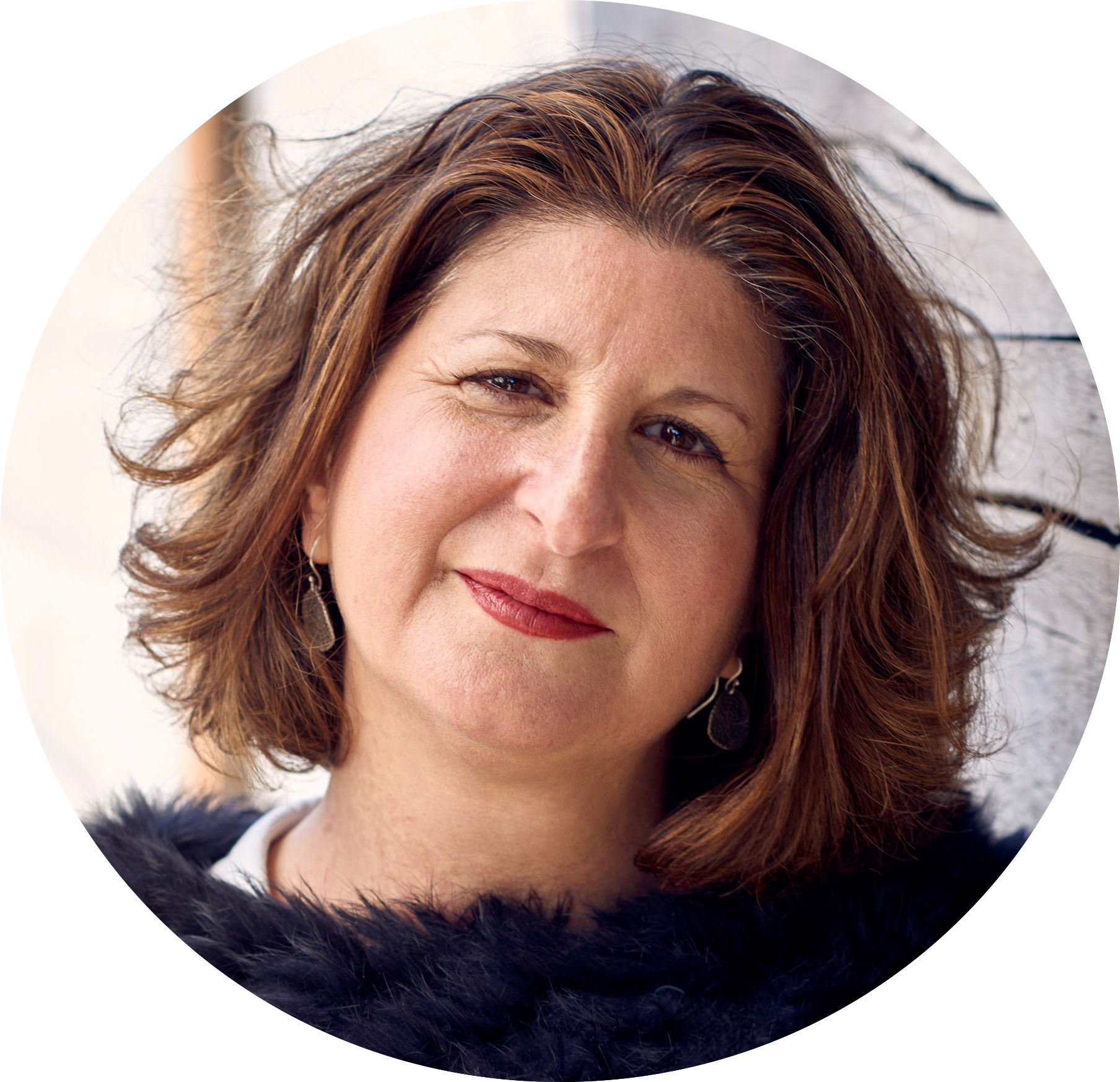
Dr Gillian Shapiro
Gilly believes that the biggest breakthroughs happen when people slow down enough to notice what is really going on—in themselves, in their teams and across the wider system. She brings her warmth, curiosity and practical insight into creating spaces that support individuals, leaders, teams and organisations to navigate complexity, change and growth.
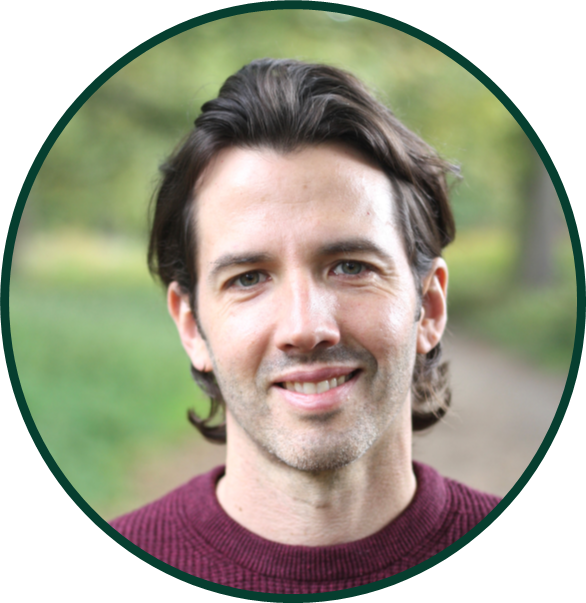
Rowan Gray
Rowan is a consultant and Gestalt psychotherapist with an interest in how to move people, teams and organisations through change.
Sarah Perry
Sarah’s education in languages and experience in founding a non-profit organisation means she is superbly placed to work with multicultural groups and leadership teams. She is also our resident expert in the tech for collaboration – working with clients to support profound work in online meetings.
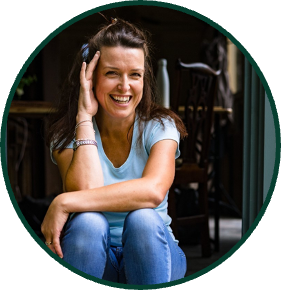
Sara Rodwell
Sara is the logistical force behind Meeting Magic. Whether it’s organising complex travel arrangements, ensuring we have the equipment we need for live events or managing the complexity of multiple diaries, Sara is always super organised, proactive and reassuring.
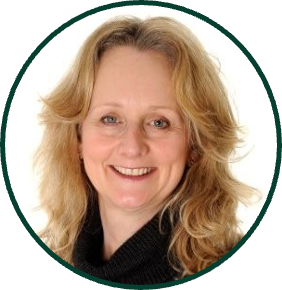
Mary Hart
Mary helps us with everything financial and spreadsheety. With a background in science and finance, she is logical, practical and has an eye for detail, she brings a difference that we really appreciate as she helps us all get paid!
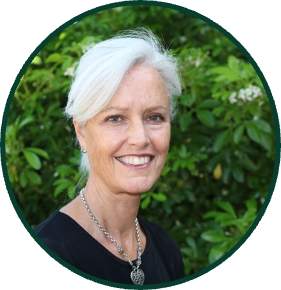
Susi Watson
Susi has a creative and holistic approach to working with groups. She supports group work with graphic recording, facilitation and virtual tools that enable effective collaboration in complex situations.
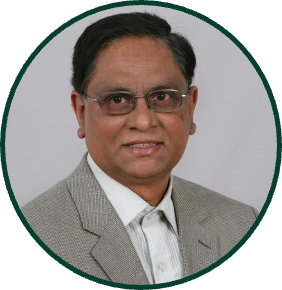
Gnanam Devadass
Gnanam’s education as a lawyer lead him into social activism, working for Amnesty International, where he developed his interest in social change and organisational development.
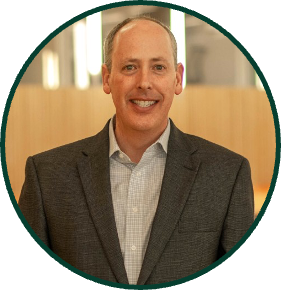
Warren Miller
Warren is the founder of Fountainworks, a boutique consultancy based in North Carolina, USA. Warren has a deep understanding of groups, collaboration and social change and Fountainworks is a valued strategic partner of Meeting Magic.
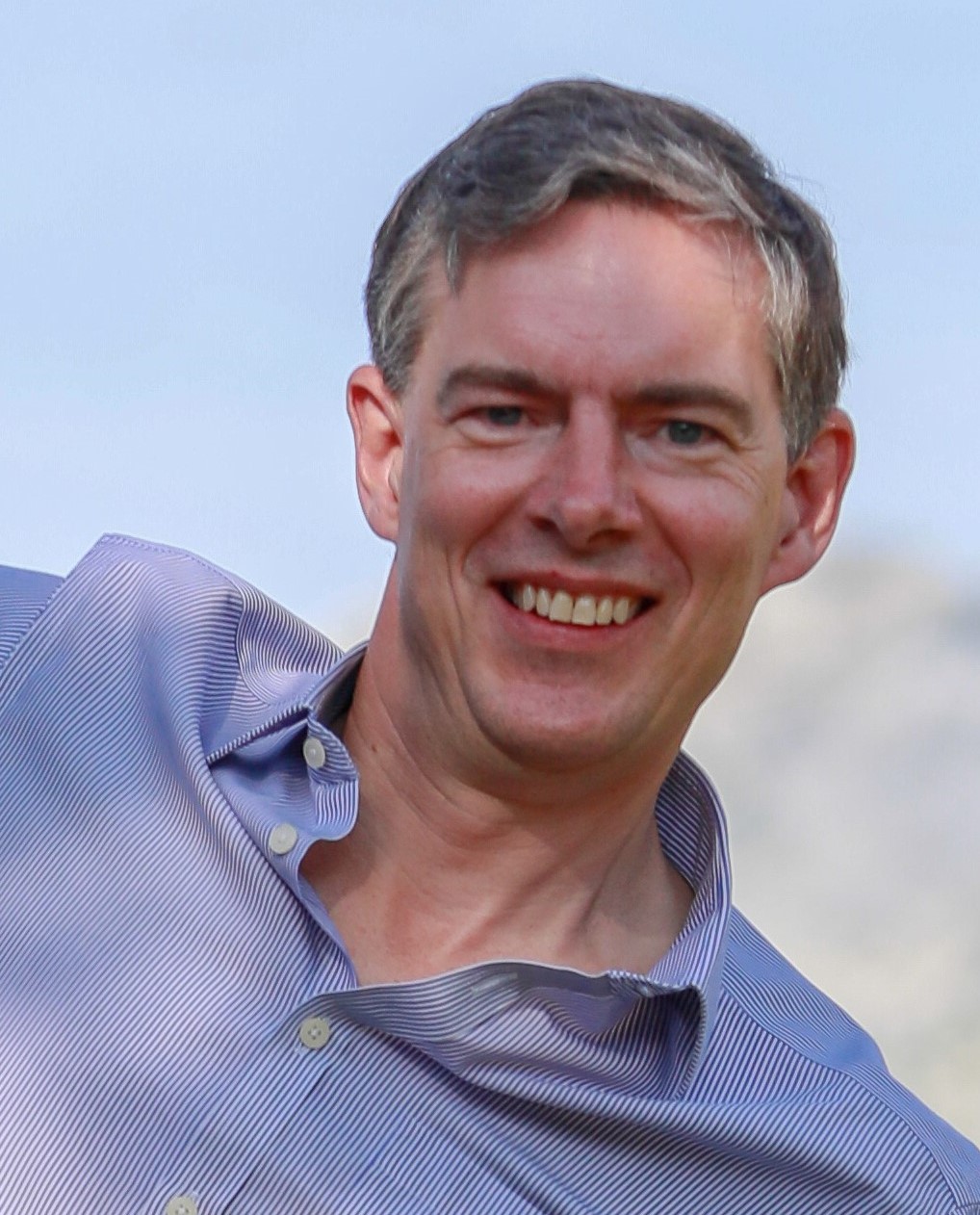
Steve Apps
Seve is a consultant, facilitator and cofounder of the Association of Business Physchologists, ABP. Seve has been part of our Network since our foundation and is a valued fellow collaborator.
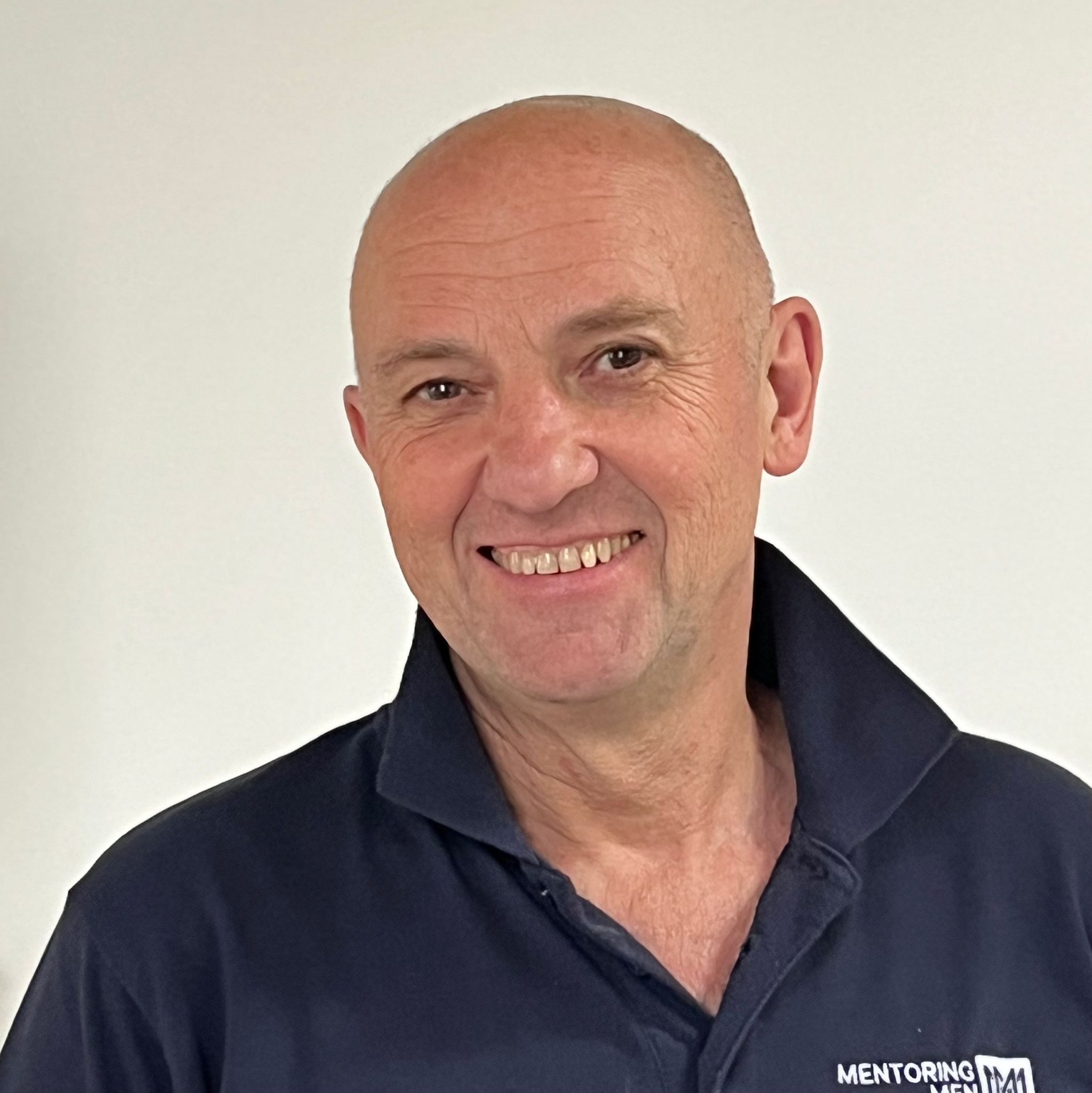
John Ogier
John is a consultant, facilitator and trainer. A long standing member of our Network, Based in Sydney, John helps us provide local support to our Apac clients.
What our clients say
listen to what our clients say
in these podcasts ..
…. or gives us a call and get the measure of us
….. and, if you need further convincing, we will put you in touch with one of our existing clients.
